Pneumatic and Hydraulic Equipment for Construction and Industrial Applications in the UAE
Pneumatic and hydraulic equipment powers tools, machinery and automated systems used in construction, fabrication, maintenance, manufacturing and material handling. Pneumatic systems use compressed air, while hydraulic systems use pressurised fluid. Choosing correctly rated components is essential for performance, compatibility and worker safety.
1. Pneumatic Equipment: How It Works
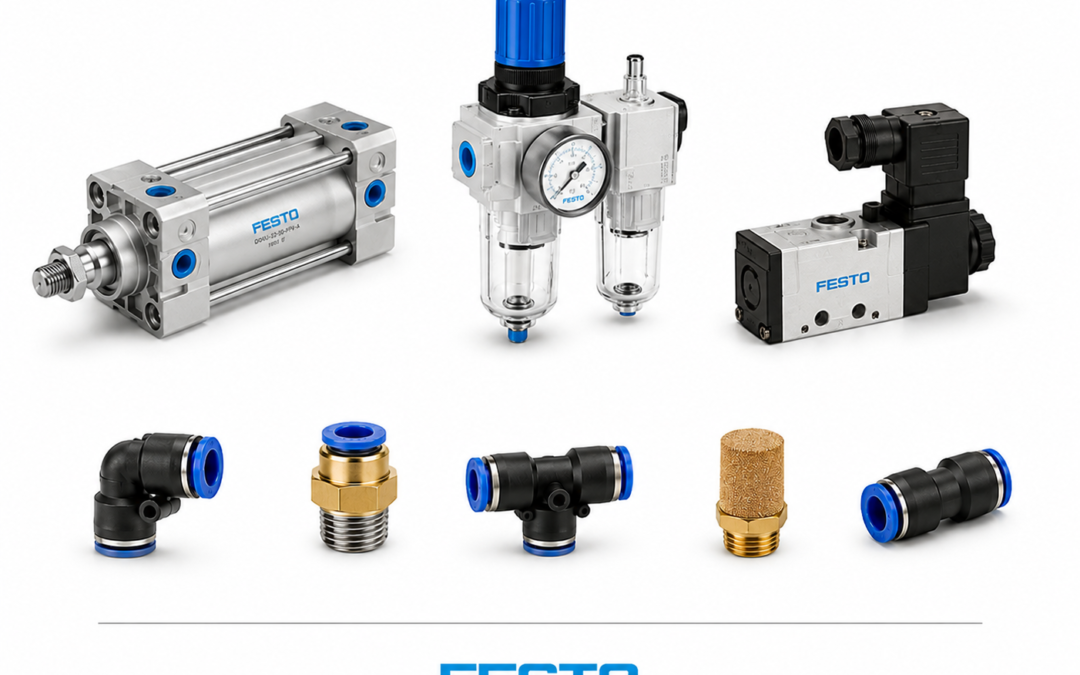
Pneumatic systems use compressed air to create movement or operate tools. A typical setup may include an air compressor, receiver, filter, regulator, lubricator where required, control valves, tubing, hoses, couplings and an actuator or air tool. Each component should be selected to match the required flow, pressure, duty cycle and environment.
2. Air Compressors and Air Preparation Units
Air compressors supply compressed air for tools and equipment. Contractors and workshops may use them for pneumatic impact wrenches, drills, grinders, blow guns and other compatible tools. Compressor selection depends on air demand, operating pressure, duty cycle, tank capacity, power supply, portability and noise requirements.
Air preparation units—often called filter-regulator-lubricator or FRL units—help condition air before it enters equipment. Not every system needs lubrication, and some tools or valves require clean, dry air without added oil. Follow the equipment manufacturer’s requirements.
3. Pneumatic Tools and Actuators
Air impact wrenches, drills, ratchets and grinders are used in workshops, vehicle maintenance, fabrication and construction support tasks. Pneumatic cylinders and actuators convert compressed air into linear or rotary motion in equipment and automation systems. Check torque or force requirements, stroke, speed, mounting, air consumption and control method.
4. Pneumatic Valves, Tubing and Quick Couplers
Directional-control valves direct airflow; flow-control valves regulate actuator speed; check valves permit flow in one direction; and solenoid valves allow electrical control of pneumatic circuits. Push-in fittings, air hoses, tubing and quick couplers connect system components. Connection type and pressure rating must match the system design.
Never disconnect a pressurised line unless the system has been safely isolated and depressurised according to the manufacturer’s procedure. A hose that appears to fit may still have an incompatible thread or rating.
5. Hydraulic Equipment: How It Works
Hydraulic systems transmit force through pressurised fluid. Common components include a pump, reservoir, filters, hoses or rigid lines, fittings, cylinders or motors, control valves, pressure gauges and relief devices. Hydraulic systems can generate substantial force in compact equipment, making pressure rating, load limits and correct assembly critical.
6. Hydraulic Pumps, Cylinders and Motors
Hydraulic pumps supply flow to the circuit. Cylinders produce linear movement for lifting, pressing, clamping or positioning; hydraulic motors produce rotary movement. Selection depends on required force or torque, flow, pressure, speed, stroke, mounting and operating conditions. Use engineering calculations and manufacturer data rather than estimating capacity from appearance.
7. Hydraulic Hoses, Fittings and Adapters
Hoses carry fluid between system components. They must be compatible with the fluid, working pressure, temperature, bend radius, abrasion exposure and impulse duty. Fittings and adapters may use BSP, NPT, JIC, metric or other connection standards. Threads that appear similar are not necessarily compatible or pressure-tight.
Hose assemblies should be specified as a complete combination of hose type, size, length, end fittings, orientation and pressure rating. Inspect for abrasion, bulging, leaks, exposed reinforcement and damaged couplings, and replace components according to the applicable maintenance procedure.
8. Hydraulic Valves, Filters and Accessories
Directional valves control actuator movement, relief valves limit system pressure, check valves control flow direction and flow-control valves manage speed. Filters help maintain fluid cleanliness, while gauges and sensors support monitoring. Correct sizing and setting are essential; changing a relief setting without approval can create dangerous operating conditions.
Applications Across Construction and Industry
- Construction machinery: hydraulic circuits operate selected excavator, lifting, positioning and attachment functions.
- Fabrication workshops: pneumatic tools support fastening and finishing; hydraulic equipment supports presses, clamps and heavy-duty tooling.
- Material handling: hydraulic systems may power lifts and positioning equipment within the equipment’s rated capacity.
- Maintenance and repair: air tools, pumps and hydraulic cylinders help with servicing and component removal where procedures permit.
- Manufacturing and automation: pneumatic cylinders and valves support repetitive movement and control; hydraulics support higher-force tasks.
- Marine and oilfield support: suitable hydraulic tools, pumps and hoses can support maintenance and equipment operation when approved for the environment.
9. How to Select Components
Start with the system design and application. Record working and peak pressure, required flow, fluid or air quality, temperature, load, duty cycle, dimensions, connections and environmental exposure. Confirm whether special corrosion resistance, hazardous-area suitability, certification or traceability is required.
For replacements, use the original part number and datasheet wherever possible. Check the entire assembly, not just one fitting. A component with a higher pressure rating does not automatically make the rest of the system safe.
10. Safety and Maintenance
Stored pressure can remain after equipment stops. Isolate energy sources, relieve pressure according to the procedure, secure suspended loads and use lockout/tagout where applicable before maintenance. Never search for a hydraulic leak with bare hands; high-pressure fluid injection injuries are medical emergencies.
Inspect hoses, couplings, clamps, seals, fittings, filters and gauges on the schedule specified by the equipment manufacturer and site maintenance plan. Use the correct fluid, keep contaminants out of the circuit and investigate repeated leaks rather than repeatedly tightening or replacing parts without diagnosing the cause.
Common Procurement Errors
- Choosing hoses or fittings by thread appearance alone.
- Ignoring pressure spikes, temperature or fluid compatibility.
- Using an air tool with insufficient compressor flow.
- Mixing incompatible couplers or hose standards.
- Replacing a relief valve or changing a pressure setting without engineering approval.
- Failing to specify hose length, fitting orientation or connection standard.
Related Ruby Pages and Technical Resources
See Ruby’s dedicated pneumatic and hydraulic equipment page, mechanical power transmission range, industrial hoses and fittings, marine and oilfield supplies and safety equipment and PPE. For workplace energy-control guidance, consult the OSHA hazardous energy control resources and the equipment manufacturer’s instructions.
Requesting a Quotation
Provide component type, part number, pressure and flow requirements, hose size and length, fitting standard, quantity, application and delivery location. Include datasheets or photographs of nameplates where available. For safety-critical systems, the responsible engineer should approve the proposed replacement before installation.
Frequently Asked Questions
What is the difference between pneumatic and hydraulic equipment?
Pneumatic equipment uses compressed air and is common for tools and automation; hydraulic equipment uses pressurised liquid and is often used where higher force or controlled heavy movement is required.
Can pneumatic fittings be used for hydraulics?
No, not unless the exact component is specifically rated and approved for the hydraulic system. Pressure ratings and connection requirements can differ substantially.
How do I select a hydraulic hose?
Match pressure, fluid, temperature, size, bend radius, duty cycle and end connections to the system specification and manufacturer’s data.
Why is air preparation important?
Correct filtration, regulation and, where required, lubrication can help protect pneumatic equipment and improve reliable operation. The required air quality varies by component.
What should be included in an RFQ?
Include part numbers, ratings, sizes, connections, quantities, application, required documents and delivery timing.
Conclusion
Pneumatic and hydraulic systems support a wide range of construction and industrial work, but reliable performance depends on matching every component to the design and operating conditions. Accurate specifications, correct installation and safe isolation procedures help reduce downtime and prevent serious incidents.