Welding Equipment and Accessories for Construction, Marine and Industrial Projects in the UAE
From steel structures and fabrication workshops to ship repair, offshore maintenance, pipelines and industrial plants, many sectors depend on reliable welding and cutting supplies. Choosing the right welding equipment and accessories for construction, marine and industrial projects helps teams plan their work, maintain suitable consumables and source the accessories required for a complete welding setup.
Why Welding Equipment Is Needed Across Multiple Industries
Welding joins metals for structural fabrication, machinery repair, pipework, maintenance and manufacturing. Construction teams may fabricate steel frames, supports and brackets. Marine workshops may repair components affected by corrosion and service demands. Oil and gas facilities may require qualified welding work on specified equipment and pipe systems, while manufacturing units need repeatable processes and suitable consumables.
Every application is different. Equipment and consumables should be selected based on the material, thickness, joint design, welding process, power supply, working conditions and approved procedure. Critical structural, pressure-containing or marine work may require qualified welders, approved procedures, inspection and documented material traceability.
1. Welding Machines for Different Applications
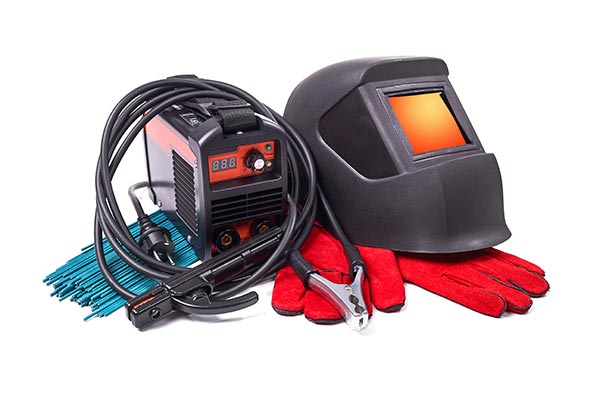
The welding power source is central to the setup. Common types include ARC or stick welding machines, MIG/MAG machines, TIG machines, inverter welders, multi-process welders, spot welders and submerged arc systems. Plasma cutting machines and welding generators may support related fabrication and site work.
ARC or stick welding machines are used for many general fabrication and repair jobs. MIG/MAG machines can suit productive fabrication work when the wire, shielding gas and material are compatible. TIG machines are often selected where precise control and weld appearance are important. The best option depends on the required process, material, output and working environment.
Review Ruby’s welding equipment and accessories range to explore welding machines and related products for construction, fabrication and industrial maintenance in the UAE.
2. Welding Electrodes, Wires and Filler Materials
Welding consumables directly affect the quality and suitability of a weld. Depending on the process and material, teams may use stick electrodes such as specified E6013 or E7018 types, MIG welding wire, TIG filler rods, flux-cored wire, brazing rods or soldering rods.
Select consumables to match the base material, required mechanical properties, welding position, joint preparation and approved welding procedure. Do not choose electrodes or wire by diameter alone. Storage and handling also matter; some consumables require controlled storage or rebaking according to the manufacturer’s instructions and project specification.
For production or maintenance work, keep track of product grade, batch information and storage condition wherever the job requires documentation.
3. Welding Torches, Guns and Electrode Holders
Welding torches and guns must be compatible with the machine and process. Common options include MIG torches, TIG torches, plasma cutting torches, gas welding torches, gas cutting torches and electrode holders for stick welding.
Check the current rating, duty cycle, connector type, torch length, consumable compatibility and availability of replacement parts. Damaged insulation, loose connections or worn torch components should be addressed before equipment is used.
4. Welding Cables, Earth Clamps and Connectors
Welding setups need suitable welding cables, earth or ground clamps, cable connectors, cable lugs, power plugs and other electrical accessories. These parts should match the equipment, current requirements, cable size and connector system.
Inspect cables and clamps regularly for damaged insulation, overheating, loose joints, corrosion and worn contact surfaces. A secure return connection and sound cables help support stable operation. Electrical work and repairs should be handled by competent personnel using the appropriate isolation procedures.
5. Gas Regulators, Hoses and Flashback Arrestors
Gas welding and cutting setups can involve oxygen, acetylene, argon, CO₂ or other gases, depending on the process. Relevant accessories may include gas regulators, twin hoses, gas manifolds, torch fittings, cylinder valves and caps, flashback arrestors, nozzles and quick couplers.
Regulators and fittings must be compatible with the gas and cylinder connection. Use the correct hoses, check for leaks using an approved method, secure cylinders, and follow the supplier’s and site’s procedures. Never use oil or grease on oxygen equipment, and never use a component that is damaged or not rated for the application.
6. Welding Spare Parts and Torch Consumables
Regular work can wear or consume small parts. Depending on the process, a maintenance kit may include MIG contact tips, gas nozzles, tip holders, diffusers, liners and swan necks; TIG ceramic cups, collets, collet bodies, back caps and gas lenses; or plasma electrodes, nozzles, shields, retaining caps and swirl rings.
Keeping compatible spares available helps reduce avoidable downtime. Use the machine and torch model numbers to verify parts, rather than relying on visual similarity alone.
7. Welding Safety Equipment and PPE
Welding exposes workers to intense light, hot metal, sparks, fumes, noise and electric shock hazards. Task-appropriate protection may include auto-darkening helmets, hand shields, welding goggles, welding gloves, jackets or aprons, heat-resistant sleeves, welding curtains and suitable respiratory protection when required by the risk assessment.
Choose the correct lens shade and PPE rating for the process. Protection should fit properly and work with other equipment. Fume exposure should be assessed and controlled with suitable ventilation or local exhaust, and respiratory protection should be selected only as part of an appropriate protection program.
For broader site protection, Ruby also supplies safety equipment and PPE for construction and industrial requirements.
8. Grinding, Cutting and Surface Preparation Accessories
Welding jobs often require preparation before joining and cleanup afterward. Angle grinders, cutting discs, grinding discs, flap discs, wire cup brushes and sanding discs are common accessories for cutting, bevel preparation, removing surface contamination and finishing welds.
Choose the disc for the material and grinder speed rating. Confirm the diameter, bore, maximum RPM and intended application before fitting it. Inspect the disc and tool guard, use the correct handle and PPE, and never use a damaged or incompatible accessory.
Related supplies are available through Ruby’s abrasives and polishing materials page and power tools range.
9. Welding Clamps, Magnetic Holders and Measuring Tools
Good fit-up is essential to consistent fabrication. Welders and fabricators may use angle clamps, C-clamps, locking pliers, magnetic welding holders, vises, squares, measuring tapes, soapstone markers, chipping hammers and wire brushes.
These tools help position parts, maintain alignment, mark dimensions and remove slag or surface residue. Clamping arrangements should be suited to the workpiece and should not compromise the required joint design or safe access.
10. Welding Ovens and Consumable Storage
Some welding consumables require controlled storage to maintain their properties. Where specified, electrode ovens or holding ovens can help maintain the correct storage condition. The required temperature and handling process must come from the consumable manufacturer’s instructions and the approved welding procedure.
Keep consumables clearly identified and separated as required by their grade and type. For jobs involving traceability or documented quality requirements, record the consumable type and any required issue or storage information.
11. Welding Equipment for Construction Projects
Construction projects use welding for steel frames, handrails, supports, brackets, platforms, gates, equipment bases and other fabricated assemblies. The required supplies may include welding machines, electrodes or wire, cables, clamps, grinding discs, cutting accessories, measuring tools and PPE.
Site conditions also matter. A portable setup may be needed for remote work, while a fabrication shop may require a different output level and duty cycle. Plan power access, ventilation, fire prevention, cable routing and safe storage as part of the work setup.
For combined project sourcing, Ruby’s construction materials and hardware and fasteners pages may also be useful.
12. Welding Equipment for Marine and Ship Repair
Marine maintenance can involve steel structures, brackets, pipes, access platforms, hull-related repairs and onboard equipment, subject to the vessel owner’s approved repair scope. The environment may include salt, moisture, restricted access and strict permit requirements.
Equipment should be appropriate to the material and welding procedure, with consumables stored correctly and tools kept in serviceable condition. Welding on vessels, tanks or confined spaces requires particular attention to permits, gas testing, isolation, ventilation and fire watch. For safety-critical ship structures, use the vessel’s approved procedures and inspection requirements.
For related supply requirements, review Ruby’s Marine & Oil Field Supplies page.
13. Welding Equipment for Oil, Gas and Industrial Maintenance
Oil and gas facilities, workshops and industrial plants may require welding and cutting supplies for fabrication, maintenance and approved repairs. Such work may involve specified materials, qualified personnel, documented welding procedures, inspection and testing.
Procurement teams should check the exact process, material grade, consumable classification, equipment ratings and any project or client approvals. Do not substitute consumables or accessories on the basis of price or appearance where the work has engineering or code requirements.
How to Select Welding Equipment and Accessories
Before purchasing, prepare a clear list and verify the following:
Material and process: State whether the job involves carbon steel, stainless steel, aluminium or another material, and identify the required welding or cutting process.
Machine specification: Confirm output range, supply voltage, duty cycle, process capability and site power availability.
Consumable compatibility: List the approved electrode, wire or filler grade, size and required documentation.
Accessory fit: Verify torch models, connectors, cable ratings, regulator connections and spare-part compatibility.
Safety requirements: Include PPE, ventilation, fume control, fire-prevention equipment and job-specific permits or controls.
Quantity and delivery: Include quantities, delivery site, requested date, preferred brand or approved equivalent and whether the requirement is for ongoing use or a project shutdown.
Welding Safety: External Guidance
The OSHA Welding, Cutting and Brazing overview describes hazards and safety requirements relevant to welding across general industry, maritime and construction settings. OSHA also provides a hazards and solutions guide covering risks such as metal fumes, ultraviolet radiation, burns, eye injury and electric shock. The American Welding Society’s free resources provide additional safety information and welding references.
These resources should complement, not replace, the site’s risk assessment, approved welding procedure, applicable UAE requirements and manufacturer instructions.
How Ruby General Trading Supports Welding Procurement Across the UAE
Ruby General Trading’s welding equipment and accessories page covers welding machines, fittings, torches and guns, spare parts, electrodes and wire, safety equipment, welding tools, grinding and cutting accessories, gas welding equipment, cables and power accessories.
Contractors, fabrication workshops, marine maintenance teams and industrial buyers can prepare a bill of quantities (BOQ) or request for quotation (RFQ) with equipment models, consumable grades, sizes, quantities and delivery requirements. This gives the supplier a clearer basis for reviewing the request and checking compatible products.
Frequently Asked Questions
What welding equipment is needed for construction work?
Typical requirements include an appropriate welding machine, electrodes or wire, welding cables, earth clamp, torch or electrode holder, grinding and cutting accessories, clamps, measuring tools and task-appropriate PPE. The exact list depends on the material and process.
What welding accessories are commonly used in marine maintenance?
Depending on the approved job, marine teams may need welding machines, process-specific consumables, cables, torches, gas equipment, cutting and grinding accessories, clamps and PPE. Vessel procedures and the material specification should guide selection.
Does Ruby General Trading supply welding equipment in the UAE?
Ruby General Trading lists welding machines, accessories, consumables, PPE, spare parts and cutting accessories on its welding equipment page.
How do I choose the correct welding electrode or wire?
Match the consumable to the base material, welding process, joint requirements and approved welding procedure. Use the required classification, size and storage method specified for the job.
Why are welding torch spare parts important?
Contact tips, nozzles, liners, collets and other compatible spares are wear items needed to keep equipment working as intended. Use the torch and machine model to confirm replacement-part compatibility.
What PPE should welders use?
Depending on the process and risk assessment, welders may need a suitable welding helmet, gloves, protective clothing, safety footwear, eye and hearing protection, welding screens and controls for fumes. Requirements depend on the task and exposure.
Can contractors order welding machines and consumables in bulk?
Yes. Contractors can share a BOQ or itemized request showing the required machine models, consumable classifications, accessories, quantities and delivery location for quotation support.
What details should I send when requesting a welding equipment quotation?
Include the application, process, material, machine specifications, consumable grade and size, accessory model numbers, quantity, preferred brand or approved equivalent and delivery date. Attach datasheets or technical requirements when available.
Conclusion
Welding work across construction, marine, oil and gas, fabrication and industrial maintenance requires more than a welding machine. Reliable work depends on compatible consumables, torches, cables, fittings, spare parts, cutting and grinding accessories, positioning tools and the right protective equipment.
For businesses looking for welding equipment and accessories for construction, marine and industrial projects in the UAE, Ruby General Trading provides a dedicated welding range and related industrial supplies.
Planning a welding project or workshop replenishment? Review the welding equipment page and send your BOQ, machine models or consumable specifications for quotation support.